
The Importance of Consistency Across Your Profiles
Why a Unified Image Matters to Visitors
In the digital age, it is highly likely that someone researching you will view more than one of your online profiles. They might find your professional networking page, visit your personal website, and glance at a creative portfolio platform all in one sitting. If the information, tone, and visual style vary wildly across these different sites, it creates a jarring and confusing experience for the visitor. A fragmented digital footprint makes you appear disorganized or unsure of your own professional identity. Conversely, a unified image instantly builds trust and credibility. When all your profiles tell the same core story and present a cohesive aesthetic, you look reliable, focused, and highly professional. Consistency reassures the visitor that the person they are reading about is genuine and that the skills and experiences presented are accurate reflections of reality.
Synchronizing Your Visual Elements
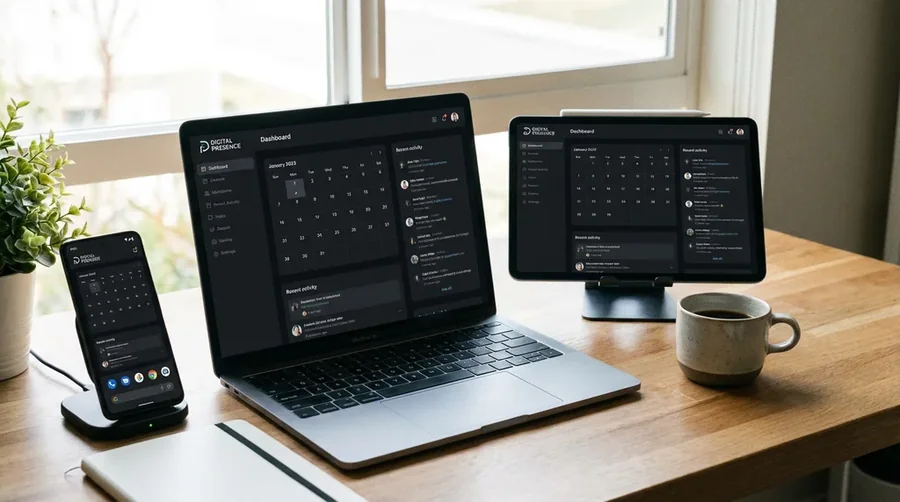
Visual consistency is the easiest way to immediately tie your various profiles together. This starts with your profile picture. Using the same high-quality, professional headshot across all major platforms acts as a visual anchor, allowing visitors to instantly recognize you wherever they find you. Beyond the profile picture, consider other visual elements such as banner images, color palettes, and typography if the platform allows customization. If your personal website uses a clean, minimalist design with a specific shade of blue, try to incorporate that same aesthetic into your banners or portfolio covers elsewhere. You do not need to be a graphic designer to achieve this; simply sticking to a similar style and color scheme goes a long way. Synchronized visual elements create a memorable brand identity that makes your digital presence look intentional and polished.
Aligning Your Written Narrative
Just as your visuals should be synchronized, your written narrative must be aligned across all platforms. The core facts of your professional history—your current job title, your major past roles, and your primary skills—should be identical wherever they appear. Discrepancies in dates or job titles between your website and your professional networking profile can raise red flags for recruiters or potential clients. While the exact wording of your bio can and should be adapted for the specific constraints of different platforms, the underlying message must remain constant. Whether someone reads the short summary on your portfolio or the detailed history on your website, they should walk away with the exact same understanding of your core competencies and professional goals. An aligned narrative reinforces your expertise and ensures your message is delivered clearly.
Handling Different Platforms the Right Way
While consistency is key, it does not mean copying and pasting the exact same text everywhere. Different platforms serve different purposes and have different audiences, and your content should be adapted accordingly. Your personal website might host a long-form bio and a detailed portfolio, while a professional networking site requires a more concise, bulleted summary of your work history. A platform dedicated to creative portfolios might focus heavily on visuals with minimal text. The trick to handling different platforms the right way is to adapt the format and the detail level while keeping the core message and the tone consistent. Think of it as telling the same story in different formats: a short summary, a detailed article, and a visual presentation. This platform-specific adaptation shows that you understand the nuances of digital communication while maintaining your unified professional identity.
Auditing Your Digital Footprint Annually
Maintaining consistency requires ongoing effort, as our careers and digital presences are constantly evolving. It is very easy to update a resume on one site and forget to update your personal website, leading to inconsistencies over time. To prevent this, make it a habit to audit your entire digital footprint at least once a year. Search for your own name online and visit every profile that appears on the first few pages of results. Check that the profile pictures are current, the job titles are accurate, and the links to your other sites are working. Close down or set to private any old accounts that you no longer use or that do not reflect your current professional standing. A regular audit ensures that you remain in control of your narrative and that your online presence consistently presents the best, most accurate version of yourself.